-
Table of Contents
NCAA and Olympic Rules on Nandrolone: Understanding the Impact on Athletes
The use of performance-enhancing drugs (PEDs) in sports has been a controversial topic for decades. In recent years, there has been a growing concern about the use of nandrolone, a synthetic anabolic steroid, among athletes. Nandrolone is known for its ability to increase muscle mass and strength, making it a popular choice among bodybuilders and athletes. However, its use is strictly prohibited by the National Collegiate Athletic Association (NCAA) and the International Olympic Committee (IOC). In this article, we will explore the rules and regulations surrounding nandrolone use in NCAA and Olympic sports, as well as the potential consequences for athletes who violate these rules.
The NCAA and Nandrolone
The NCAA is the governing body for college sports in the United States, and it has a strict policy against the use of PEDs. Nandrolone is included in the list of banned substances by the NCAA, and any athlete who tests positive for it will face severe consequences. According to the NCAA Drug Testing Program, a positive test for nandrolone will result in a one-year suspension for the first offense, a two-year suspension for the second offense, and permanent ineligibility for the third offense.
The NCAA also has a strict liability policy, which means that athletes are responsible for any banned substances found in their system, regardless of how it got there. This policy was put in place to discourage athletes from intentionally or unintentionally using PEDs. Therefore, it is crucial for athletes to be aware of the substances they are putting into their bodies and to consult with a medical professional before taking any supplements or medications.
The IOC and Nandrolone
The IOC is the governing body for the Olympic Games, and it also has a zero-tolerance policy for the use of PEDs. Nandrolone is included in the list of banned substances by the IOC, and any athlete who tests positive for it will face severe consequences. According to the World Anti-Doping Agency (WADA), a positive test for nandrolone will result in a four-year suspension for the first offense, and a lifetime ban for the second offense.
Similar to the NCAA, the IOC also has a strict liability policy, and athletes are responsible for any banned substances found in their system. The IOC also conducts random out-of-competition testing to ensure that athletes are not using PEDs to gain an unfair advantage.
Pharmacokinetics and Pharmacodynamics of Nandrolone
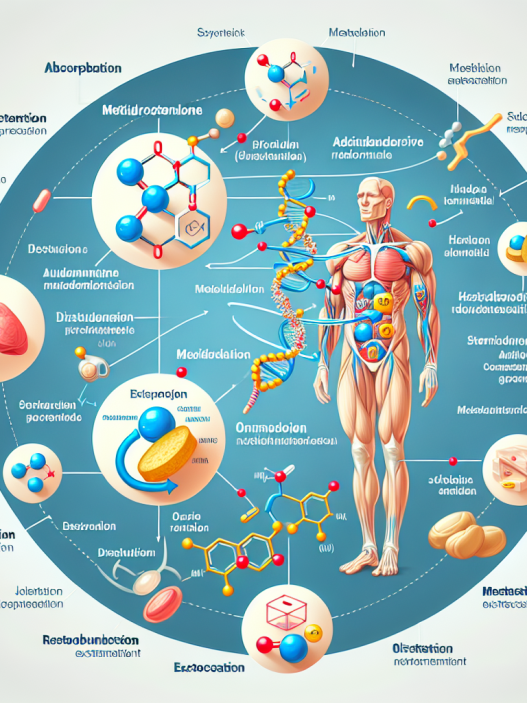
In order to understand the impact of nandrolone on athletes, it is essential to have a basic understanding of its pharmacokinetics and pharmacodynamics. Nandrolone is a synthetic derivative of testosterone, and it is classified as an anabolic steroid. It is available in both oral and injectable forms, with the injectable form being the most commonly used by athletes.
Once nandrolone is injected, it is rapidly absorbed into the bloodstream and reaches its peak concentration within 24-48 hours. It has a half-life of approximately 6-8 days, which means that it can stay in the body for an extended period of time. Nandrolone is metabolized in the liver and excreted through the urine.
The pharmacodynamics of nandrolone involve its interaction with androgen receptors in the body. It binds to these receptors and stimulates protein synthesis, leading to an increase in muscle mass and strength. It also has a high affinity for the progesterone receptor, which can cause side effects such as gynecomastia (enlarged breast tissue) in male athletes.
The Impact of Nandrolone on Athletes
The use of nandrolone can have both short-term and long-term effects on athletes. In the short term, it can lead to an increase in muscle mass and strength, which can give athletes an advantage in competition. However, these effects are temporary, and once the drug is discontinued, the muscle mass and strength will decrease.
In the long term, the use of nandrolone can have serious health consequences for athletes. It can lead to liver damage, cardiovascular problems, and hormonal imbalances. It can also cause psychological effects such as aggression and mood swings. These long-term effects can have a significant impact on an athlete’s overall health and well-being.
Real-World Examples
There have been several high-profile cases of athletes testing positive for nandrolone in recent years. In 2019, American sprinter Christian Coleman, who was considered a favorite to win gold at the World Championships, was suspended for two years after missing three drug tests within a 12-month period. In 2020, British sprinter Sha’Carri Richardson was suspended for one month after testing positive for nandrolone. These cases serve as a reminder that even the most talented and successful athletes are not immune to the consequences of using PEDs.
Expert Opinion
According to Dr. John Hoberman, a professor at the University of Texas and an expert in sports pharmacology, the use of nandrolone by athletes is a serious issue that needs to be addressed. He states, “The use of nandrolone by athletes is not only a violation of the rules, but it also poses a significant risk to their health. It is crucial for athletes to understand the potential consequences of using this drug and to make informed decisions about their health and well-being.”
Conclusion
The use of nandrolone in sports is a violation of the rules and regulations set by the NCAA and the IOC. Athletes who test positive for this banned substance face severe consequences, including suspensions and lifetime bans. It is essential for athletes to be aware of the substances they are putting into their bodies and to consult with a medical professional before taking any supplements or medications. The use of PEDs not only goes against the spirit of fair play in sports but also poses serious health risks for athletes. It is up to athletes to make responsible decisions and to prioritize their health and well-being over short-term gains.
References
Johnson, M. D., & Jayaraman, A. (2021). Nandrolone. In StatPearls [Internet]. StatPearls Publishing.
World Anti-Doping Agency. (2021). The World Anti-Doping Code International Standard Prohibited List. Retrieved from https://www.wada-ama.org/sites/default/files/resources/files/2021list_en.pdf
National Collegiate Athletic Association. (2021). NCAA Drug Testing Program. Retrieved from https://www.ncaa.org/sport-science-institute/topics/ncaa-drug-testing-program