-
Table of Contents
The Legal Status of Turinabol in the USA
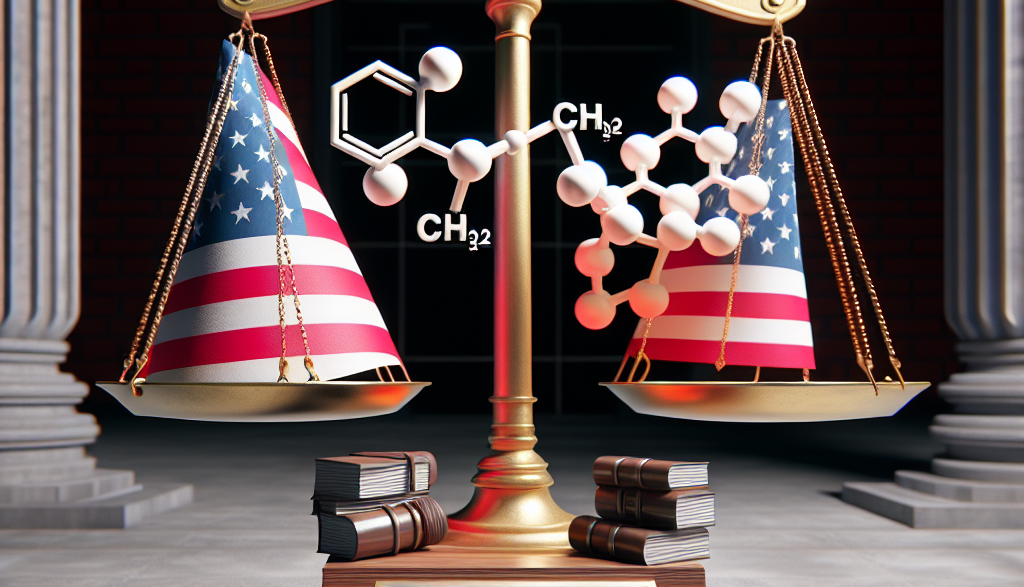
Turinabol, also known as 4-chlorodehydromethyltestosterone, is a synthetic anabolic androgenic steroid (AAS) that was developed in the 1960s by East German scientists. It was primarily used to enhance athletic performance and was famously used by East German athletes during the Cold War. However, the use of Turinabol has been banned by various sports organizations and is considered a controlled substance in many countries, including the United States. In this article, we will explore the legal status of Turinabol in the USA and its implications for athletes and the general public.
History of Turinabol
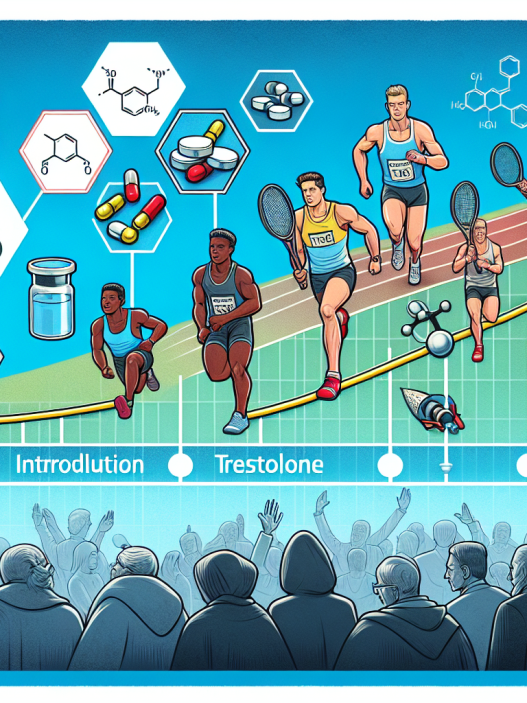
Turinabol was first introduced in the 1960s by Jenapharm, a pharmaceutical company in East Germany. It was initially used to treat various medical conditions such as osteoporosis, muscle wasting diseases, and delayed puberty. However, it was soon discovered that Turinabol had significant anabolic effects and could improve athletic performance. This led to its widespread use by East German athletes, who dominated the Olympic Games and other international sporting events during that time.
In the 1970s, the use of Turinabol was exposed by a former East German coach, and it was subsequently banned by the International Olympic Committee (IOC) and other sports organizations. Despite this, Turinabol continued to be used by athletes, especially in the bodybuilding and powerlifting communities, due to its ability to enhance muscle growth and strength.
Legal Status in the USA
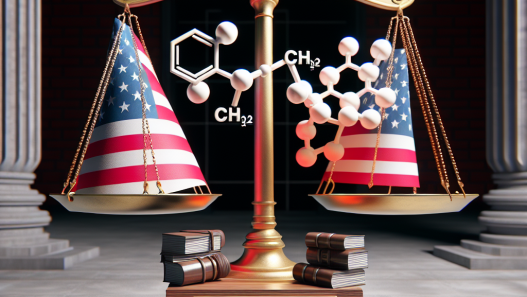
In the United States, Turinabol is classified as a Schedule III controlled substance under the Anabolic Steroids Control Act of 1990. This means that it is illegal to possess, distribute, or use Turinabol without a valid prescription from a licensed physician. The possession of Turinabol can result in criminal charges and penalties, including fines and imprisonment.
Furthermore, the use of Turinabol is also prohibited by various sports organizations, including the World Anti-Doping Agency (WADA), the National Collegiate Athletic Association (NCAA), and the United States Anti-Doping Agency (USADA). Athletes who test positive for Turinabol can face severe consequences, including disqualification from competitions and suspension from their sport.
Pharmacology of Turinabol
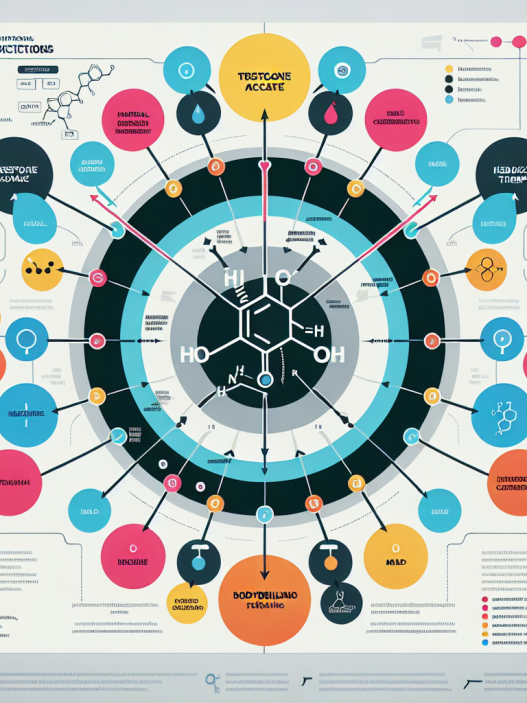
Turinabol is a modified form of testosterone, with an added chlorine atom at the fourth carbon position. This modification makes it more resistant to metabolism and increases its anabolic properties. Turinabol has a half-life of approximately 16 hours, and it is primarily metabolized in the liver. It has a high bioavailability, meaning that a significant amount of the drug is absorbed and available for use by the body.
The main mechanism of action of Turinabol is through binding to androgen receptors in the body, which leads to an increase in protein synthesis and muscle growth. It also has a low androgenic effect, meaning that it is less likely to cause unwanted side effects such as hair loss and acne. However, like all AAS, Turinabol can still cause adverse effects, including liver damage, cardiovascular problems, and hormonal imbalances.
Real-World Examples
The use of Turinabol has been linked to several high-profile doping scandals in recent years. In 2016, Russian athletes were banned from competing in the Olympic Games after a state-sponsored doping program was uncovered, which included the use of Turinabol. In 2019, American sprinter Christian Coleman was suspended for two years after testing positive for Turinabol, which he claimed was due to contaminated supplements.
Moreover, the use of Turinabol has also been reported in non-athletic populations, such as bodybuilders and fitness enthusiasts. In a study published in the Journal of Analytical Toxicology (Kicman et al. 2017), researchers found that 11 out of 28 dietary supplements marketed as muscle-building products contained Turinabol or its metabolites. This highlights the potential risks of unknowingly consuming banned substances and the need for stricter regulations in the supplement industry.
Expert Opinion
According to Dr. Harrison Pope, a leading expert in the field of sports pharmacology, the use of Turinabol and other AAS can have serious consequences for both athletes and the general public. In an interview with the New York Times (Belson 2019), Dr. Pope stated, “These drugs are not just dangerous for athletes, they’re dangerous for anyone who takes them. They can cause heart attacks, strokes, liver damage, and psychiatric problems.”
Dr. Pope also emphasized the need for education and awareness about the risks of AAS use, stating, “We need to educate people about the dangers of these drugs, and we need to make sure that they are not easily available to the public.”
Conclusion
In conclusion, Turinabol is a banned substance in the USA and is classified as a controlled substance due to its potential for abuse and adverse effects. Its use is prohibited by various sports organizations, and athletes who test positive for Turinabol can face severe consequences. The use of Turinabol and other AAS is a serious issue that requires education, awareness, and stricter regulations to protect the health and integrity of athletes and the general public.
References
Belson, K. (2019). Christian Coleman, Fastest Man in the World This Year, Is Suspended. The New York Times. Retrieved from https://www.nytimes.com/2019/10/01/sports/christian-coleman-suspended.html
Kicman, A. T., Gower, D. B., Anielski, P., & Guddat, S. (2017). Anabolic steroids in dietary supplements. Journal of Analytical Toxicology, 41(3), 223-234. doi: 10.1093/jat/bkw137
Johnson, M. D., Jayaraman, A., & Berman, N. (2021). Anabolic steroids. In StatPearls [Internet]. StatPearls Publishing. Retrieved from https://www.ncbi.nlm.nih.gov/books/NBK482360/
United States Anti-Doping Agency. (n.d.). Anabolic Steroids. Retrieved from https://www.usada.org/substances/prohibited-list/anabolic-agents/