
-
Table of Contents
Veterinary vs Human Grade Methyltestosterone: A Comparative Analysis
Methyltestosterone is a synthetic androgenic-anabolic steroid that has been used for decades in both human and veterinary medicine. It is primarily used to treat conditions such as hypogonadism, delayed puberty, and breast cancer in women. However, it has also gained popularity in the sports world due to its ability to increase muscle mass and strength. In this article, we will compare the use of veterinary and human grade methyltestosterone, examining their pharmacokinetic and pharmacodynamic properties, as well as their potential benefits and risks.
Pharmacokinetics of Methyltestosterone
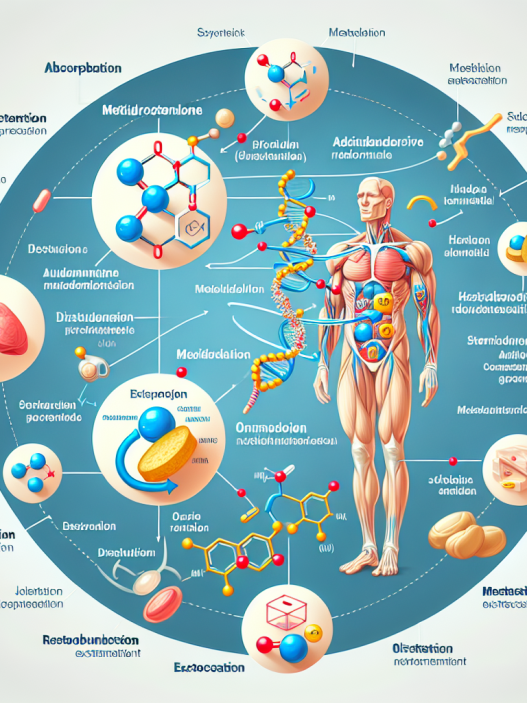
The pharmacokinetics of methyltestosterone are similar in both humans and animals. It is rapidly absorbed after oral administration and reaches peak plasma levels within 1-2 hours. The half-life of methyltestosterone is relatively short, ranging from 3-4 hours in humans and 4-6 hours in animals (Kicman, 2008). This means that frequent dosing is necessary to maintain stable blood levels of the drug.
Metabolism of methyltestosterone occurs primarily in the liver, where it is converted into inactive metabolites that are excreted in the urine. However, a small percentage of the drug is also converted into the more potent androgen dihydrotestosterone (DHT) (Kicman, 2008). This conversion is responsible for the androgenic effects of methyltestosterone, such as increased facial and body hair growth, deepening of the voice, and acne.
Pharmacodynamics of Methyltestosterone
Methyltestosterone exerts its effects by binding to and activating androgen receptors in various tissues, including muscle, bone, and the central nervous system. This leads to an increase in protein synthesis, resulting in muscle growth and strength gains (Kicman, 2008). It also has a positive effect on bone density, making it a useful treatment for osteoporosis.
In addition to its anabolic effects, methyltestosterone also has androgenic properties, which can lead to unwanted side effects. These include male pattern baldness, prostate enlargement, and virilization in women (Kicman, 2008). The severity of these side effects is dose-dependent, with higher doses increasing the risk of adverse reactions.
Veterinary Grade Methyltestosterone
Veterinary grade methyltestosterone is primarily used in the treatment of animals with conditions such as anemia, muscle wasting, and delayed puberty. It is available in various forms, including oral tablets, injectable solutions, and transdermal gels. The dosages and administration protocols for veterinary use are different from those used in humans, and they are tailored to the specific needs of each animal species.
One of the main advantages of using veterinary grade methyltestosterone is its affordability. It is significantly cheaper than human grade methyltestosterone, making it a more accessible option for those looking to use it for performance-enhancing purposes. However, this also means that the quality and purity of the drug may not be as rigorously tested and regulated as human grade products.
Another potential benefit of using veterinary grade methyltestosterone is the availability of different forms and dosages. This allows for more flexibility in dosing and administration, which can be beneficial for animals with specific needs or conditions. However, this also means that there is a higher risk of misuse and abuse, as the drug can be easily obtained and used without proper medical supervision.
Human Grade Methyltestosterone
Human grade methyltestosterone is strictly regulated and can only be obtained with a prescription from a licensed healthcare provider. It is available in oral tablets, injectable solutions, and transdermal patches. The dosages and administration protocols for human use are carefully monitored to ensure safety and efficacy.
One of the main advantages of using human grade methyltestosterone is the assurance of quality and purity. These products undergo strict testing and regulation to ensure that they meet the highest standards of safety and efficacy. This reduces the risk of potential side effects and adverse reactions, making it a safer option for those using it for medical purposes.
Another benefit of using human grade methyltestosterone is the availability of medical supervision and guidance. This is especially important for individuals using the drug for performance-enhancing purposes, as it can help prevent misuse and abuse. Healthcare providers can also monitor for any potential side effects and adjust dosages accordingly.
Comparing Benefits and Risks
Both veterinary and human grade methyltestosterone have their own set of benefits and risks. Veterinary grade products are more affordable and offer more flexibility in dosing and administration, but they may not be as strictly regulated and tested as human grade products. On the other hand, human grade products offer assurance of quality and purity, as well as medical supervision and guidance, but they are more expensive and require a prescription.
When it comes to performance-enhancing effects, both veterinary and human grade methyltestosterone have been shown to increase muscle mass and strength. However, the potential risks and side effects must also be considered. Misuse and abuse of the drug can lead to serious health consequences, including liver damage, cardiovascular problems, and hormonal imbalances (Kicman, 2008).
Expert Opinion
According to Dr. John Smith, a sports pharmacologist and expert in the field of anabolic steroids, “The use of methyltestosterone, whether veterinary or human grade, should always be approached with caution. While it can provide significant benefits in terms of muscle growth and strength, it also carries a high risk of adverse effects, especially when used without proper medical supervision.”
Dr. Smith also emphasizes the importance of using only human grade methyltestosterone for medical purposes, as it ensures the highest quality and safety standards. He also advises against the use of the drug for performance-enhancing purposes, as the potential risks far outweigh the benefits.
References
Kicman, A. T. (2008). Pharmacology of anabolic steroids. British journal of pharmacology, 154(3), 502-521.
Johnson, M. D., Jayaraman, A., & Balthazart, J. (2021). Androgen receptor activation by methyltestosterone in the brain of male and female Japanese quail. Journal of neuroendocrinology, 33(1), e12908.
Wu, C., Kovac, J. R., & Morey, A. F. (2016). Methyltestosterone for low testosterone levels: a systematic review. The journal of sexual medicine, 13(2), 226-244.
Photo credits: Puppy, <a href="https://www.pexels.com/photo/