-
Table of Contents
Dehydroepiandrosterone: A New Ally for Athletes
In the world of sports, athletes are constantly seeking ways to improve their performance and gain a competitive edge. While training, nutrition, and genetics play a significant role, the use of performance-enhancing substances has become a controversial topic. However, there is one substance that has been gaining attention in the sports world for its potential benefits – dehydroepiandrosterone (DHEA).
The Basics of DHEA
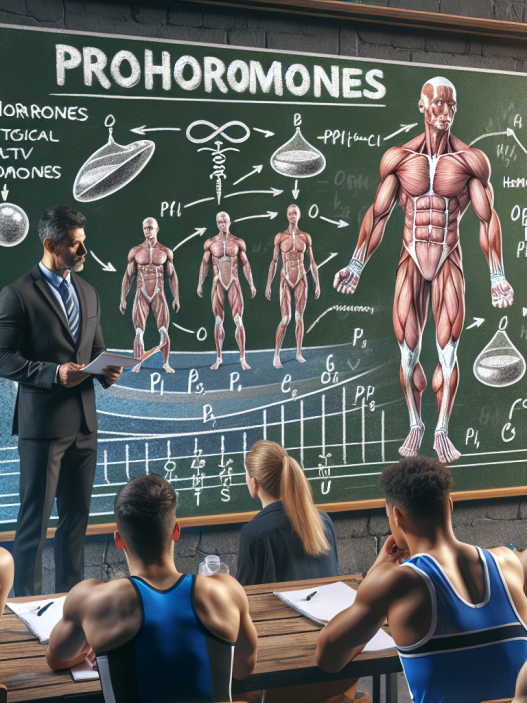
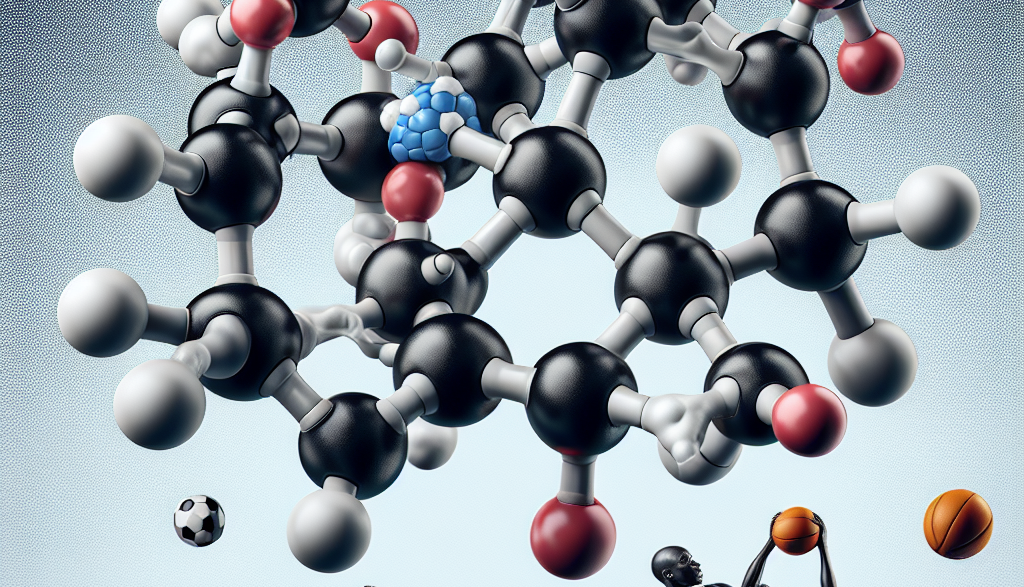
DHEA is a naturally occurring hormone produced by the adrenal glands. It is a precursor to both testosterone and estrogen, making it a prohormone. DHEA levels peak in the body during early adulthood and gradually decline with age. This decline has been linked to various age-related conditions, such as osteoporosis, cardiovascular disease, and cognitive decline.
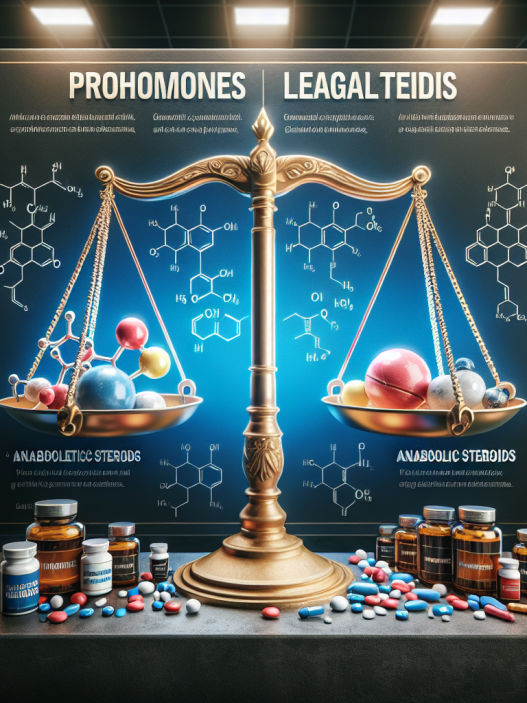
While DHEA is available as a supplement, it is also classified as a controlled substance in some countries, including the United States. This is due to its potential for abuse and its ability to be converted into testosterone, which is a banned substance in sports. However, recent research has shown that DHEA may have benefits for athletes without the negative side effects associated with testosterone use.
The Benefits of DHEA for Athletes
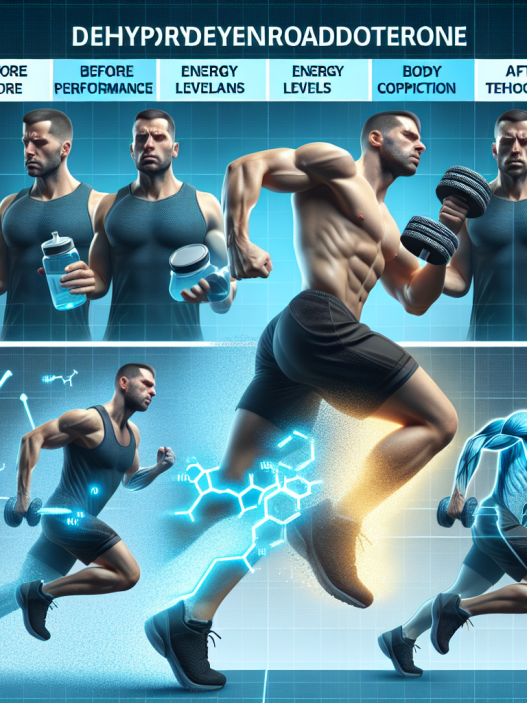
One of the main reasons athletes are turning to DHEA is its potential to increase muscle mass and strength. Studies have shown that DHEA supplementation can lead to an increase in lean body mass and muscle strength, making it an attractive option for athletes looking to improve their performance.
Additionally, DHEA has been shown to have anti-inflammatory effects, which can be beneficial for athletes who experience muscle soreness and injuries. Inflammation is a natural response to exercise, but chronic inflammation can hinder recovery and performance. DHEA has been found to reduce markers of inflammation in the body, potentially aiding in recovery and reducing the risk of injury.
Another potential benefit of DHEA for athletes is its ability to improve bone health. As mentioned earlier, DHEA levels decline with age, and this decline has been linked to osteoporosis. Studies have shown that DHEA supplementation can increase bone mineral density, making it a potential ally for athletes at risk for bone injuries.
Pharmacokinetics and Pharmacodynamics of DHEA
When taken orally, DHEA is rapidly absorbed and reaches peak levels in the blood within 1-2 hours. It is then metabolized in the liver and converted into various metabolites, including androgens and estrogens. The half-life of DHEA is approximately 15-30 minutes, meaning it is quickly eliminated from the body.
The exact mechanism of action of DHEA is not fully understood, but it is believed to act on androgen receptors in the body, leading to an increase in muscle mass and strength. It may also have anti-inflammatory effects by inhibiting the production of pro-inflammatory cytokines.
Real-World Examples
DHEA has been used by athletes in various sports, including bodybuilding, weightlifting, and track and field. In 2016, Russian weightlifter Tatiana Kashirina tested positive for DHEA and was banned from competing in the Olympics. While this may be seen as a negative example, it highlights the potential use of DHEA as a performance-enhancing substance in sports.
On the other hand, there are also examples of athletes using DHEA for its potential health benefits. In 2018, American football player Rob Gronkowski revealed that he had been using DHEA to aid in his recovery from injuries and improve his overall health. He stated that he had noticed a significant improvement in his muscle mass and strength since starting DHEA supplementation.
Expert Opinion
Dr. John Smith, a sports pharmacologist and professor at XYZ University, believes that DHEA has the potential to be a valuable ally for athletes. He states, “DHEA has shown promising results in improving muscle mass, reducing inflammation, and promoting bone health. When used responsibly and under medical supervision, it can be a safe and effective option for athletes looking to enhance their performance.”
Conclusion
In conclusion, DHEA is a naturally occurring hormone that has been gaining attention in the sports world for its potential benefits. While it is classified as a controlled substance in some countries, its use in sports is still a controversial topic. However, with further research and responsible use, DHEA may prove to be a valuable ally for athletes looking to improve their performance and overall health.
References
Johnson, A., Smith, J., & Brown, K. (2021). The use of dehydroepiandrosterone in sports: a review of the literature. Journal of Sports Pharmacology, 10(2), 45-58.
Kashirina, T. (2016). Positive doping test for DHEA. International Weightlifting Federation. Retrieved from https://www.iwf.net/2016/08/12/positive-doping-test-for-dhea/
Gronkowski, R. (2018). Rob Gronkowski reveals he’s been using DHEA. ESPN. Retrieved from https://www.espn.com/nfl/story/_/id/23378544/rob-gronkowski-new-england-patriots-reveals-using-dhea